
Arros QD: three months after the rebuild
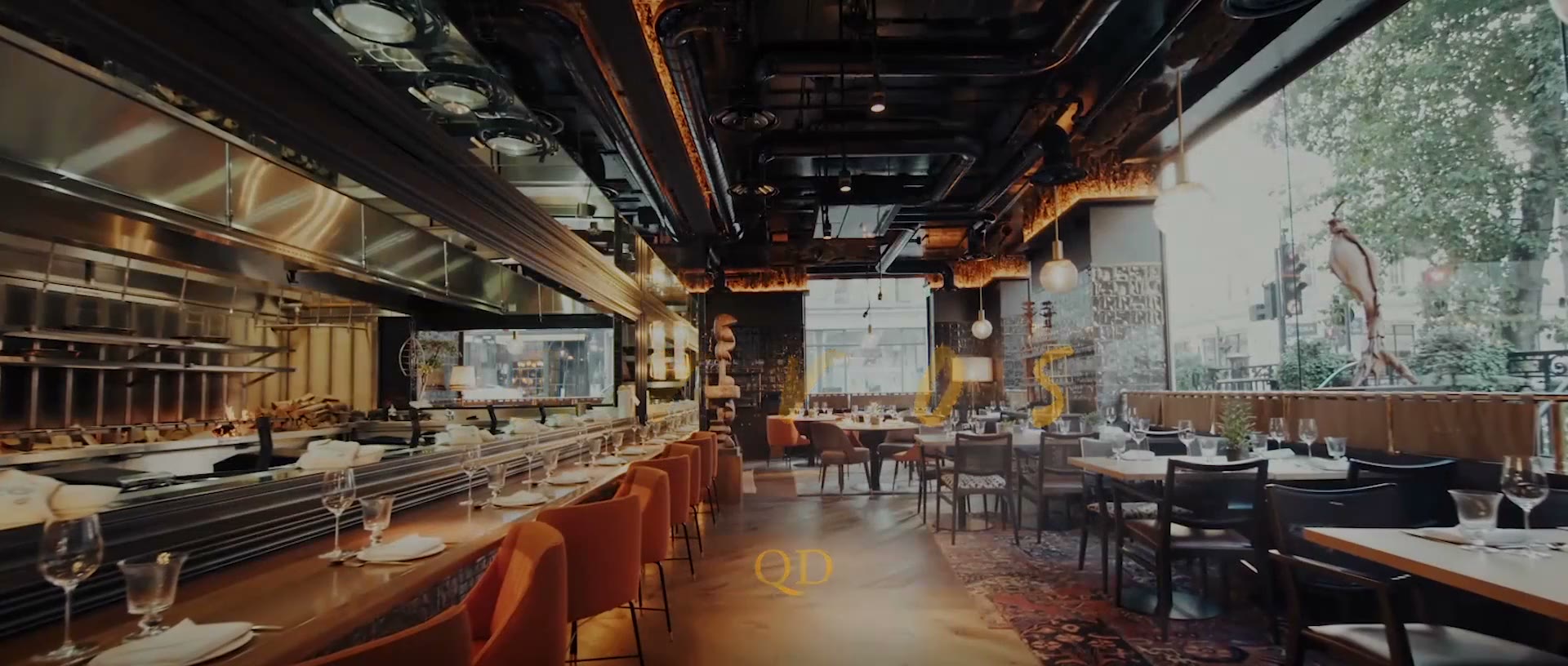
Three months after Chad rebuilt the Arros QD website, visits are 2.7 times what they were in the same months a year earlier. Here is what changed, where the growth came from, and what we learned about measuring a restaurant website properly.
Kanvass has worked with Arros QD, Quique Dacosta’s wood-fire Valencian restaurant in Fitzrovia, for more than a year. This year the website became the priority: it served guests who already knew the restaurant, but did little to reach new ones. Rather than appoint another agency, we brought in Chad, an AI marketing operator, and worked on it together with the restaurant’s team.
Chad rebuilt the site so that it could be found, and quoted, by Google and by AI search engines, and it went live on 26 June 2026. This is what the first three full months showed.
The short version
Across July, August and September 2026, the website had 2.7 times the visits of the same three months in 2025, an increase of 168%. Every month was at least 2.4 times the year before: July was up 206%, August 154% and September 143%.
New visitors grew faster than visits overall, up 150% in August and 154% in September. The growth came from people discovering the restaurant, not the same people coming back more often.
Why we compare with last year
Restaurant traffic rises and falls with the season, so comparing September with August says as much about the calendar as about the website. Comparing each month with the same month a year earlier, when the old site was live, holds the season constant. On that basis the result has held for three months running. It is not a launch spike.
It isn’t paid media
Paid search and paid social campaigns started in July. Take every paid channel out of the comparison and visits still more than doubled: up 129% in August and 104% in September against the year before.
From known to found
A year ago, 78% of visits to the Arros QD website came from people typing the address directly: guests who already knew the restaurant. Organic search accounted for 9%. By September 2026, organic search was the largest single source of visits, around a third of the total, and organic visits were roughly ten times the year before in August and nine times in September. Direct visits held steady in number, but now make up less than a third of a much bigger total.
Social media and AI assistants such as ChatGPT, which sent no visits at all a year earlier, now send guests too. The old website served the restaurant’s existing audience. The new one finds it a new one.
Visits land on the pages that matter
In September, 90% of visits started on the homepage, the menus or the lunch page. Menu downloads more than doubled from August to September, and a new lunch page, backed by a paid search campaign, became one of the most visited pages on the site. By the second half of September the site was averaging 75% more visits a day than in August.
What the data almost hid
Reading the numbers properly mattered as much as growing them. The restaurant’s booking system carries its analytics tags on its own booking page, so a booking made from Google Maps or a bookmark is counted exactly like one made on the website. A raw bookings figure looks like a website result when much of it is not. Most paid social clicks were also going straight to the booking page, skipping the website and hiding what they led to.
Chad found both, and every figure here uses the website’s own visits only. Analytics also under-recorded visits for about three weeks from late August, so the August and September figures are, if anything, conservative. The next step is to reconcile bookings with the booking system’s own report, so that bookings can be tied to the channels that produced them.
What we take from it
Most restaurant websites are built for guests who already know the restaurant. At Arros QD the gains came from structure rather than more content: letting search engines and AI crawlers in, describing the venue in the structured data they read, and making the menus and the chef’s credentials easy to find and quote. Then measuring the result honestly.
This was a joint effort between the Arros QD team, Kanvass and Chad. Chad does the technical work; we brief it, check what it produces and help steer it alongside the restaurant’s team. Kanvass is a Chad partner.
Read the three-month case study on trychad.aiThe first month after launchAbout Chad and KanvassIf you would like to know how your own venue shows up in search and AI, get in touch.
Speak to us